
14636 Rothgeb Dr.
Rockville, MD 20850

Vaccination
Pet Vaccinations
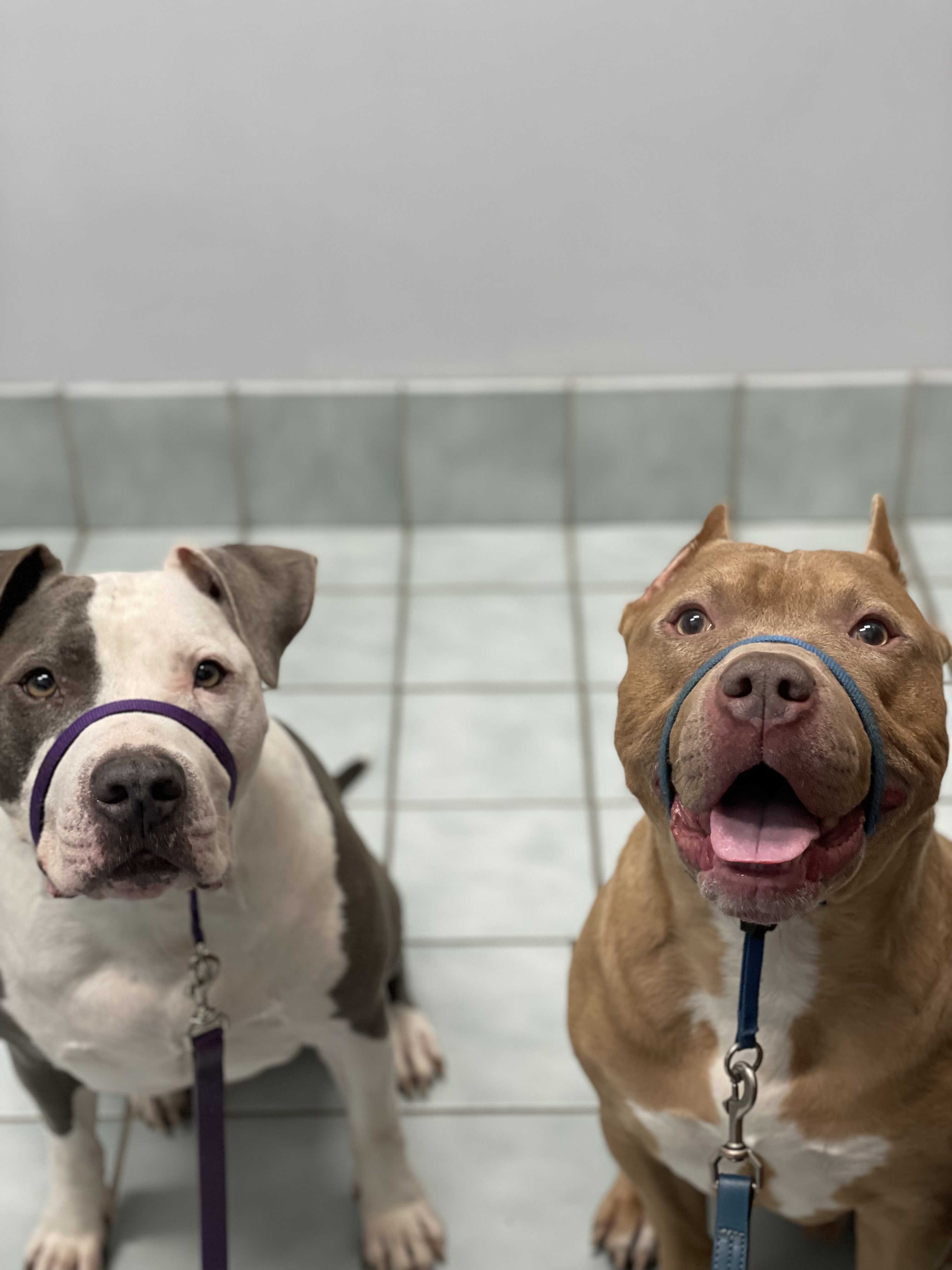
Routine vaccinations provide your pet protection from serious and potentially fatal diseases.
When To Vaccinate?
Puppies and kittens are usually protected from infectious diseases by their mother’s milk provided she has been adequately vaccinated. However, this protection only lasts for a short while.
Puppies can be vaccinated as early as 6 weeks.
Puppies should receive a booster every 3-4 weeks until 16 weeks old
Kittens can be vaccinated as early as 6 weeks.
Kittens should receive a booster every 3-4 weeks until 16 weeks old
Pets should be vaccinated every 3 years for maintenance.
If you have an older pet then your veterinarian will be able to advise the correct vaccination protocol that you should follow.
Dogs
Dogs should be routinely vaccinated against:
Canine distemper
Canine parvovirus
Infectious canine hepatitis
Leptospirosis
Rabies
If your dog is going to be spending time in kennels, then you should also inquire about getting them vaccinated against kennel cough and influenza. The vaccine is usually given via the nostrils and protects against bordetella, bronchiseptica, and the parainfluenza virus.
Dogs going abroad will also need a rabies vaccination.
Cats
Cats should be routinely vaccinated against:
Feline calicivirus
Feline herpes virus
Feline infectious enteritis
Feline leukemia virus
Rabies
(Current guidelines recommend that only ‘at-risk’ cats are vaccinated against feline leukemia virus. Those deemed at risk include kittens and immune-compromised cats).
If you are unsure about anything to do with pet vaccines, consult your veterinarian, who will advise you on the best vaccination protocol to follow.
Quick Links

All Services
Learn More
Keep
In Touch
© 2026 Petvacx Animal Hospital. All rights Reserved - Accessibility Statement - Privacy Policy - Sitemap
Powered by

